

Thursday, January 28, 2016

Saturday, January 23, 2016
Accounting
Accounting is the art of recording, summarizing, reporting, and analyzing financial transactions.

Wednesday, January 20, 2016
Sovereign Gold Bonds
Highlights of the scheme:
Eligibility: Resident Individuals, HUFs, trusts, universities, charitable institutions, etc
Application Date: January 18 to 22, 2016
Bonds Issue Date: February 8, 2016
Price of each Bond: Rs 2,600 per bond [Weekly average price of closing price of gold of 999 purity as per India Bullion and Jewellers Association Ltd]. The first tranche was issued in November 2015 at Rs 2,684 per gram.
Interest Rate: 2.75% per annum payable semi-annually in the bank account
Minimum Investment Limit: 2 bonds
Maximum Investment Limit: 500 bonds per person per financial year
Tenure: 8 year [early exit possible from 5th year on wards interest payment dates]
Where to buy? Banks, Designated Post Offices and Stock Holding Corporation of India Ltd. (directly or through agents)
Application Form: You can download the form from RBI website or from respective banks. Also some banks might have option for online application.
KYC Documents: Voter ID, Aadhaar card/PAN or TAN /Passport i.e same as for purchase of physical gold
Payment Mode: Demand Draft, Cheque or Electronic Payment. Cash payment can only be done up to Rs 20,000.
Joint Holding: Possible (the maximum limit applies to first holder only)
Investment in the name of Minor is possible to be made by his/her guardian
Redemption Pricing: Based on previous week average price of closing price of gold of 999 purity as per India Bullion and Jewellers Association Ltd
Loan: bonds are allowed as collateral. The loan to value can be same as in case of physical gold
Listing: The bonds would be listed on stock exchange and can be sold/bought though demat account
Taxation of Sovereign Gold Bond:
There are two parts to taxation:
- The interest received is added to the income and taxed at the marginal tax slab.
- On redemption of the bond any gains would be considered as capital gains as in case of physical gold and taxed accordingly. If the bonds are sold with in 3 years of purchase its short term capital gains and is taxed at marginal tax rate. In case the sale is after 3 years its long term capital gains and is taxed at 20%, with indexation benefit

For more details:
http://apnaplan.com/sovereign-gold-bond-jan2016/#
Wednesday, January 13, 2016
Cleanliness
The most important places to keep clean and tidy are my mind and heart.
If I allow thoughts to flourish that I wouldn't want to see the light of
day, I can never have any real self-respect. By starting each day in
quiet reflection and pouring positive, loving thoughts into my mind, I
gradually clean out cynicism and unkindness.
Spaces Of Silence
Push yourself like a machine and you will eventually run low on energy.
Love your mind by allowing it spaces of silence and it will serve you
tirelessly.
Enemy of Happiness
The enemy of happiness is wasteful thoughts. To stop yourself from thinking wasteful thoughts focus your mind on God.
Solutions
We are never without the solutions to our problems. It's just that
sometimes we may have to wait a little. Learn how to remain peaceful and
patient.
Tuesday, January 12, 2016
National Youth Day-12 January
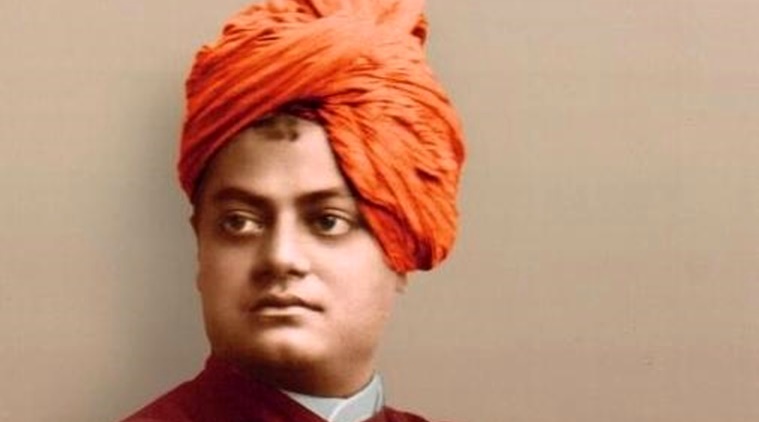
National Youth Day is celebrated in India on 12 January on the birthday of Swami Vivekananda. In 1984 the Government of India declared the day as the National Youth Day and since 1985 the event is celebrated in India every year.
Swami Vivekananda, known in his pre-monastic life as Narendra Nath Datta, was born in an affluent family in Kolkata on 12 January 1863. His father, Vishwanath Datta, was a successful attorney with interests in a wide range of subjects, and his mother, Bhuvaneshwari Devi, was endowed with deep devotion, strong character and other qualities. A precocious boy, Narendra excelled in music, gymnastics and studies. By the time he graduated from Calcutta University, he had acquired a vast knowledge of different subjects, especially Western philosophy and history. Born with a yogic temperament, he used to practise meditation even from his boyhood, and was associated with Brahmo Movement for some time.
Swami Vivekananda's lectures and writings, deriving their inspiration from Indian spiritual tradition and the broad outlook of his Master Sri Ramakrishna, are a source of inspiration and have motivated numerous youth organizations, study circles and service projects involving the youth. All his teachings can be found in The Complete Works of Swami Vivekananda, in nine volumes, published by Advaita Ashrama, Kolkata.
It is well known that the Government of India had declared to observe the National Youth Day every year on the birthday of Swami Vivekananda on 12th of January. It was decided by the Government of India in order to inspire all the youths of country towards the philosophy of Swami Vivekananda and his ideals. The birthday of the Swami Vivekananda was decided to be celebrated as the National Youth Day to complete the aim of making better future of the country by motivating the youths through the way of life and ideas of the Swami Vivekananda.
It is the aim of great importance of distributing the ideas and ideals of the Swami Vivekananda among the youths of India. It is the great way to wake up the eternal energy of the youths as well as their big efforts to make the country developed.
National Youth Day Quotes
Following are some famous quotes on national youth day said by the Swami Vivekananda:- “Choose the highest ideal and live your life upto that. Look at the “ocean” and not at the wave”. – Swami Vivekananda
- “A few heart-whole, sincere, and energetic men and women can do more in a year than a mob in a century”. – Swami Vivekananda
- “Religion is the manifestation of the Divinity already in man”. – Swami Vivekananda
- “Struggle hard to get money, but don’t get attached to it”. – Swami Vivekananda
- “He who sees Shiva in the poor, in the weak, and in the diseased, really worships Shiva”. – Swami Vivekananda
- “Each soul is potentially divine”. – Swami Vivekananda
- “Talk to yourself once in a day…Otherwise you may miss meeting an EXCELLENT person in this World”. – Swami Vivekananda
- “My faith is in the younger generation, the modern generation, out of them will come my workers!”. – Swami Vivekananda
- “Work, work, work – let this be your motto”. – Swami Vivekananda
- “The earth is enjoyed by heroes—this is the unfailing truth. Be a hero. Always say, “I have no fear””. – Swami Vivekananda
- “Feel that you are great and you become great”. – Swami Vivekananda
- “My hope of the future lies in the youths of character, intelligent, renouncing all for the service of others, and obedient – good to themselves and the country at large”. – Swami Vivekananda
- “Death being so certain, it is better to die for a good cause”. – Swami Vivekananda
- “Your country requires heroes; be heroes; your duty is to go on working, and then everything will follow of itself”. – Swami Vivekananda
- “Arise! Awake! and stop not until the goal is reached”. – Swami Vivekananda
- “You cannot believe in God until you believe in yourself”. – Swami Vivekananda
- “When an idea exclusively occupies the mind, it is transformed into an actual physical or mental state”. – Swami Vivekananda
- “It is best to work among the youth in whom lies our hope — patiently, steadily, and without noise”. – Swami Vivekananda
- “The child is father of the man.” Would it be right for an old man to say that childhood is a sin or youth a sin?” – Swami Vivekananda
Reference:
http://www.vivekanandahouse.org/about-vivekananda
https://en.wikipedia.org/wiki/National_Youth_Day_%28India%29
http://www.indiacelebrating.com/events/national-youth-day/
Pension Plans - Jeevan Akshay VI ( UIN - 512N234V04 )
Options Available:
The following options are available under the plan
- Type of Annuity:
- Annuity payable for life at a uniform rate.
- Annuity payable for 5, 10, 15 or 20 years certain and thereafter as long as the annuitant is alive.
- Annuity for life with return of purchase price on death of the annuitant.
- Annuity payable for life increasing at a simple rate of 3% p.a.
- Annuity for life with a provision of 50% of the annuity payable to spouse during his/her lifetime on death of the annuitant.
- Annuity for life with a provision of 100% of the annuity payable to spouse during his/her lifetime on death of the annuitant.
- Annuity for life with a provision of 100% of the annuity payable to spouse during his/ her life time on death of annuitant. The purchase price will be returned on the death of last survivor.
You may choose any one. Once chosen, the option cannot be altered.
Mode:
- Annuity may be paid either at monthly, quarterly, half yearly or yearly intervals. You may opt any mode of payment of Annuity..
Salient features:
- Premium is to be paid in a lump sum.
- Minimum purchase price :
- Rs.100,000/- for all distribution channels except online.
- Rs.150,000/- for on line sale.
- No medical examination is required under the plan.
- No maximum limits for purchase price, annuity etc.
- Minimum allowed age at entry is 30 years (completed) and Maximum allowed age at entry is 85 years (completed).
- Age proof necessary.
Amount of annuity payable at yearly intervals which can be purchased for Rs. 1 lakh under different options is as under:
Age last birthday |
Yearly annuity amount under option
|
|||||||
( i )
|
( ii ) (15 years certain)
|
( iii )
|
( iv )
|
( v )
|
( vi )
|
(vii)
|
||
30
|
7190
|
7160
|
6890
|
5250
|
7080
|
6970
|
6860
|
|
40
|
7510
|
7440
|
6930
|
5610
|
7310
|
7120
|
6890
|
|
50
|
8140
|
7950
|
7000
|
6280
|
7760
|
7420
|
6930
|
|
60
|
9350
|
8790
|
7110
|
7530
|
8640
|
8030
|
7010
|
|
70
|
12080
|
9830
|
7260
|
10220
|
10560
|
9370
|
7130
|
|
80
|
17880
|
10440
|
7480
|
15890
|
14600
|
12340
|
7290
|
|
If your purchase price is Rs. 2.50 lakh or more, you will receive higher amount of annuity due to available incentives. In addition of this, for policies sold online, a rebate of 1% by way of increase in the annuity rate shall also be available.
Service Tax:
Service tax, if any, shall be as per the Service Tax Laws and at the rate of service tax as applicable from time to time.
The amount of service tax as per the prevailing rates shall be payable by the policyholder along with the purchase price.
Paid-up value:
The policy does not acquire any paid-up value.
Surrender Value:
No surrender value will be available under the policy.
Loan:
No loan will be available under the policy.
Cooling-off period:
If you are not satisfied with the ?Terms and Conditions? of the policy, you may return the policy to us within 15 days from the date of receipt of the Policy Bond. On receipt of the policy we shall cancel the same and the amount of premium deposited by you shall be refunded to you after deducting the charges for stamp duty.
Section 45 Of Insurance Act 1938:
- No policy of life insurance shall after the expiry of two years from the date on which it was effected, be called in question by an insurer on the ground that a statement made in the proposal for insurance or in any report of a medical officer, or referee, or friend of the insured, or in any other document leading to the issue of the policy, was inaccurate or false, unless the insurer shows that such statement was on a material matter or suppressed facts which it was material to disclose and that it was fraudulently made by the policyholder and that the policyholder knew at the time of making it that the statement was false or that it suppressed facts which it was material to disclose.
- Provided that nothing in this section shall prevent the insurer from calling for proof of age at any time if he is entitled to do so, and no policy shall be deemed to be called in question merely because the terms of the policy are adjusted on subsequent proof that the age of the life assured was incorrectly stated in the proposal.
- No person shall allow or offer to allow, either directly or indirectly, as an inducement to any person to take out or renew or continue an insurance in respect of any kind of risk relating to lives or property in India, any rebate of the whole or part of the commission payable or any rebate of the premium shown on the policy, nor shall any person taking out or renewing or continuing a policy accept any rebate, except such rebate as may be allowed in accordance with the published prospectuses or tables of the insurer: provided that acceptance by an insurance agent of commission in connection with a policy of life insurance taken out by himself on his own life shall not be deemed to be acceptance of a rebate of premium within the meaning of this sub-section if at the time of such acceptance the insurance agent satisfies the prescribed conditions establishing that he is a bona fide insurance agent employed by the insurer.
- Provided that nothing in this section shall prevent the insurer from calling for proof of age at any time if he is entitled to do so, and no policy shall be deemed to be called in question merely because the terms of the policy are adjusted on subsequent proof that the age of the life assured was incorrectly stated in the proposal.
http://www.licindia.in/jeevan_akshay_plan_009_features.htm
Monday, January 11, 2016
EMPLOYEE PROVIDENT FUND 5 DAYS GRACE PERIOD WITHDRAWN
As per Employee provident fund scheme 1952 ,contribution and other
charges for a month is required to be deposit by 15th of next
month.Further 5 days grace period was also allowed to remit the
contribution.
However wef 01.01.2016 ,e payment of EPF is mandatory
,Accordingly, it has been decided that concession of grace period of 5
days available to the employers for depositing the contribution &
other dues is withdrawn herewith. This decision shall apply from
February, 2016 (contributions for month of January, 2016 and payable in
the month of February, 2016.

Be At Peace
You spend most of your life running after things, doing things. You
forget that being comes before doing. Those who remember this secret
make an effort to "be" and discover that when they stop and observe,
life helps and brings whatever is needed. Learning to be is learning to
be at peace. It is our most fundamental nature.
Business Ideas
(1) Recruitment Firm
(2) Online Websit
(3) Freelancing
(4) Photographer
(5) Personal Tutor or Trainer
(6) Interior Designer
(7) Match Making or Wedding planne
(8) Real Estate Brokerage or Consultancy
(9) Insurance consultant or Agent
(10) Consulting busines
(11) Content writing
(12) Security agency or detective agency
(13) Dance, Music or Drawing school
(14) Career counseling
(15) Fitness or Yoga Teacher
(16) Baby Sitting and Cooking service.
(17) Chocolate maker
(18) Tiffin Service
(19) Event Manager
(20) IT Support service
http://moneyexcel.com/5327/20-business-ideas-require-money
LIC’s Jeevan Shikhar
LIC’s Jeevan Shikhar Policy 837 is a participating, non-linked with profit, single premium endowment plan wherein the risk cover is ten times of tabular Single Premium. LIC is planning to launch “LIC Jeevan Shikhar Plan No 837” on 11th January, 2016. This is second launch of LIC in year 2016, prior to this LIC has already launch LIC Jeevan Labh 836 policy. Jeevan Shikhar is limited period policy and available only for 120 days from launch date.

Five Signs of Purity for Gold Jewellery
1.BIS Standard Mark
2.Purity Grade
3.Assaying and Hallmarking Center’s mark
4.Year of Marking
5.Jewellers’ Identification Mark
http://apnaplan.com/five-signs-of-purity-for-gold-jewellery/
2.Purity Grade
3.Assaying and Hallmarking Center’s mark
4.Year of Marking
5.Jewellers’ Identification Mark
http://apnaplan.com/five-signs-of-purity-for-gold-jewellery/
National Pension Scheme
Budget 2015 provided for additional exemption of Rs 50,000 for investing in NPS (National Pension Scheme) Tier 1 account u/s 80CCD(1B).
NPS account can be opened by anyone with age between 18 to 60 years.
Even NRIs are eligible to open NPS accounts. NRIs can invest
through normal banking channels or out of funds held in their
NRE/FCNR/NRO account.
For Details: http://apnaplan.com/open-nps-account/?utm_source=feedburner&utm_medium=feed&utm_campaign=Feed%3A+ApnaPlan+%28Apna+Plan%29#
Friday, January 8, 2016
Goods and Services Tax
Goods and Services Tax — GST — is a
comprehensive tax levy on manufacture, sale and consumption of goods and
services at a national level. One of the biggest taxation reforms in
India — the Goods and Service Tax (GST) — is all set to integrate State economies and boost overall growth.
www.gstindia.com/
Sovereign Gold Bond Scheme – Salient Features
Sovereign Gold Bond Scheme – an investment scheme where investors could buy gold in the form of Gold Bonds from Government of India.
The bonds would be denominated in grams of gold and can be bought by paying in rupees.
The bond will have denominations of 5, 10, 50, 100 grams of gold.
The bonds will be backed by Government of India against default
Only resident Indians would be able to invest. NRI would not be eligible to invest.
The bonds would be distributed/sold by Banks, Post Offices, NBFCs and other intermediaries.
RBI (Reserve Bank of India) would issue these bonds on behalf of Government of India.
http://apnaplan.com/gold-bond-scheme/
Highest Interest Rate on Recurring Deposits (RD) – January 2016
Recurring deposits (RD) with banks are one of the most popular
investment options for people with regular income. RD enables to deposit
fixed amount every month for a pre-defined period which earns interest
similar to Fixed Deposits (FD).
All about Recurring Deposits:
- Most banks offer RDs for tenure of 6 months to 10 Years
- The tenure of RD can be in multiple of 3 months
- The amount of installment and number of installment cannot be changed after opening of the account
- The interest on RD compounds quarterly
- In most cases the interest rate on RD is similar to Fixed Deposits offered by Banks for similar tenures. However some banks like Bank of India gives 0.5% extra interest rate for RD as compared to FD for similar tenure
- The minimum deposit amount can be as low as Rs 100 per month, though some banks may have higher limit
- There can be penalty for missing even one installment.
- In case you miss multiple installments the RD can be closed and amount returned to you
- Most banks offer Loan/Overdraft against the amount available in Recurring Deposit. The interest is generally 0.5% to 1% more than that offered to RD.
- There are penalty clauses for pre-mature withdrawal similar to Fixed Deposits
Recurring Deposit Interest Rates:
Following are the highest Interest rates on Recurring Deposits based on duration:
- For RD duration of 1 Year The Ratnakar Bank & Bandhan Bank offers 8.50%
- For 2 years The Ratnakar Bank offers 9.0% and Bandhan Bank offers 8.50%
- For 3 to 4 Years the best offer is by The Ratnakar Bank offering 8.75% interest rate
- For 5+ Years RD duration the best interest is offered at 8.75% by The Ratnakar Bank and 8.05% by Tamilnad Mercantile Bank Ltd
- The Post Office offers 5 Year Recurring Deposit Scheme offering 8.4% interest rate.
Disclaimer: The
Recurring Deposit Interest Rates keep on changing. You are advised to
check the interest rates with banks before making your RD.
http://apnaplan.com/highest-interest-rate-on-recurring-deposits-rd/
7.74% IREDA Tax Free Bond – January 2016
Salient Features: IREDA Tax Free Bonds 2016
- Offer Period: January 8 to 22, 2016 (the offer can be pre-closed on full subscription)
- Annual Interest Rates for Retail Investors: 7.53% for 10 Years; 7.74% for 15 Years and 7.68% for 20 Years
- The interest rates are 0.25% less for HNIs, QIBs and corporate subscribers.
- 40% of issue is reserved for Retail Investors
- Price of each bond: Rs 1,000
- Minimum Investment: 5 Bonds (Rs 5,000)
- Max Investment Limit for Retail Investor: Rs 10 Lakhs
- Date of first Interest Payment: To be updated
- Can be applied both in Physical and Demat Form
- Allotment: First Come First Serve
- Listing: Bonds would be listed on BSE and will entail capital gains tax on exit through secondary market
- Tax/TDS: As these are tax Free Bonds so no tax is to be paid and there is no TDS on interest
In case you do not want regular income you should first exhaust your Rs 1.5 lakhs PPF limit where the returns are 8.7% and tax free. Salaried employees should opt for VPF before looking at tax free bonds. Both the above options have higher returns, tax free and partial exit options after 5/6 years.
For detail :http://apnaplan.com/ireda-tax-free-bond-jan-2016/?utm_source=feedburner&utm_medium=feed&utm_campaign=Feed%3A+ApnaPlan+%28Apna+Plan%29#
Overview of LIC Jeevan Labh plan
LIC Jeevan Labh also called Table 836 is a non-linked participating Endowment Insurance Plan. It offers a combination of protection and saving features.
- The plan is available from ages 8 to 59 years. The maximum age at maturity is 75 years.
- Minimum basic sum assured is ₹2 lakh with maximum basic sum assured having no limit.
- In LIC Jeevan Labh there are only 3 policy terms with corresponding premium paying term. The customer can select any one of these according to their requirement.The policy terms are 16, 21, and 25 years with premium-paying terms of 10,15 and 16 years respectively. Policy term means till when one would be covered with insurance. Premium Paying Term, PPT, means till when one has to pay premium.
- For example if Rahul , who is 30 years of age, plans to take LIC Jeevan Labh for the term of 21 years which has premium payment term (PPT) of 15 years . He will be covered i.e have insurance till he is 50 years old but he will have to pay premium only till 15 years i.e till he is 45 years. For next 6 years even though he is not paying premium he is still insured.
- LIC Jeevan Labh provides Optional Benefit, Accidental Death and Disability Benefit Rider by payment of additional premium. If buyer opted for this rider, an amount equal to sum assured will be payable if death occurs due to accident. In case of permanent disability due to accident, future premium will be waived and the amount equal to Sum Assured is payable in 10 years equal monthly installments.
- New term assurance rider is also available at the inception of the policy on payment of additional premium. If policy holder opts for this rider, an amount equal to term assurance rider sum assured will be payable on the death of the life assured during the policy term.
- One can take Loan against LIC Jeevan Labh Plan 836 after payment of premiums for at least 3 years subject to conditions: Maximum loan for inforce policy-90% of surrender value and for paid up policies 80% of surrender value.
- One can Surrender after 3 years of full premium payment.
- Paid-up Value = Basic Sum assured x (No. of premiums paid/ Total no. of premiums payable)
- Premium Payment Mode rebate
- 2% on yearly,
- 1% on Half Yearly,
- Nil on Quarterly & Monthly
- Rebate on High Sum Assured (Per 1000 of Sum Assured)
- 0% up to 4,90,000
- 1.25% for 5,00,000 to 9,90,000
- 1.50% for 10,00,000 to 14,90,000
- 1.75% for 15,00,000 and above
http://www.bemoneyaware.com/blog/
Today Message for the day
A deep understanding and an attitude of pure feelings results in positive thinking.
Projection: When we talk about positive thinking, it is usually just 'think positive' and 'be positive'. But just saying this, either to others or to myself, doesn't help to change my thoughts permanently, in fact usually, not even temporarily.
-BK Shivani

Thursday, January 7, 2016
Bryant McGill
Disappointment is coming, for sure! People are going to hurt you in
ways you would never have believed even possible. You are going to be
let-down and deeply betrayed. And there is only one thing to do when you
are tragically let down — let-go. No matter how wrong they were,
holding on will not make it right, it will only eat you alive over time.
You are worthy of not reacting negatively to negativity. Don't let them
kill you twice. Letting go is the only way. Quit hanging on
to the past; fantasizing, dreaming, wishing and replaying it. You can't
change it. You just haven't realized it yet, but you have moved on. You
are different now; not of the past, but of now — a different person.
You don't need whatever the past had — it's gone. Your life is here
today. Your greatest moments are ahead of you and are right where you
are now, so seize them while you can, before it is too late. Quit the
endless worrying about the future. The way you get through life is one
day at a time; even one hour at a time or one moment at a time. Start by
finding, creating or noticing one good moment. Even in the darkest of
times, if you look, you will find one. Being more positive just takes
practice. You can retrain your mind to see the best possibilities in
everything. A good moment in a bad day counts. Begin with this moment,
and make it count.
Control your state of mind,
In any situation, control your state of mind, then look for an
alternate way of thinking and delete the emotional baggage held against
people.
If we hate someone, when we leave the costume we carry the imprint of hatred, and when the two souls meet again they experience hatred.
If we hate someone, when we leave the costume we carry the imprint of hatred, and when the two souls meet again they experience hatred.
Every time we carry
forward the unpleasantness, the magnitude and complexity increases. To
change the quality of the interaction right now is only one thought
away.
If someone has cheated or betrayed us, one option is to create hatred and carry it forward. Other option is to create forgiveness and change the quality of interaction.
Whatever others are doing to us is a return of our past karma, they are not wrong. The response we choose now will create our present and decide our future.
If someone has cheated or betrayed us, one option is to create hatred and carry it forward. Other option is to create forgiveness and change the quality of interaction.
Whatever others are doing to us is a return of our past karma, they are not wrong. The response we choose now will create our present and decide our future.
BK Shivani
Rates of income-tax
Rates of income-tax in respect of income liable to tax for the Financial year 2015-2016 / Assessment Year 2016-2017
There is no change in the basic tax rate and exemption limit for
Individual, Hindu Undivided Family, Association of Person, Body Of
Individuals and Artificial Juridical Person in Assessment Year 2016-17
in Comparison to A.Y. 2015-16.Further There is no change in basic tax rate of Co-operative Society, Firms, Local Authorities and Companies. However, it is proposed to reduce the basic tax rate in the case of Companies from 30% to 25% over the next four years, starting from next financial year i.e. FY 2016-17.
There is change in Surcharge which is as under :
| Person | Present Surcharge Rate |
Proposed Surcharge Rate |
| Other than Company – | ||
| – Having Total Income exceeding Rs. 1 crore |
10% | 12% |
| Domestic Company‑ | ||
| – Having Total Income exceeding Rs. 1 crore but less than Rs. 10 crore | 5% | 7% |
| – Having Total Income exceeding Rs. 10 crore |
10% | 12% |
| Foreign Company‑ | ||
| – Having Total Income exceeding Rs. 1 crore but less than Rs. 10 crore | 2% | 2% |
| – Having Total Income exceeding Rs. 10 crore |
5% | 5% |
A. Normal tax rates applicable to an individual
The normal tax rates applicable to a resident individual will depend on the age of the individual. However, in case of a non-resident individual the tax rates will be same irrespective of his age. For the purpose of ascertainment of the applicable tax slab, an individual can be classified as follows:
- Resident individual below the age of 60 years. i.e. born on or after 1.4.1956
- Resident individual of the age of 60 years or above at any time during the year but below the age of 80 years. (i.e. born during 1-4-1936 to 3 1-3-1956)
- Resident individual of the age of 80 years or above at any time during the year. i.e. born before 1.4.1936
- Non-resident individual irrespective of the age.
i. individual below the age of 60 years i.e. born on or
after 1.4.1956, Non-resident individual irrespective of age,
Resident/Non-Resident Hindu undivided family, association of persons,
body of individuals, artificial juridical person.
Tax Slab
| Net income range | Income-tax rates | Education Cess | Secondary and higher Education Cess |
| Up to Rs. 2,50,000 | Nil | Nil | Nil |
| Rs. 2,50,000 – Rs. 5,00,000 | 10% of (total income minus Rs. 2,50,000) [*] | 2% of income-tax | 1% of income-tax |
| Rs. 5,00,000 – Rs. 10,00,000 | Rs. 25,000 + 20% of (total income minus Rs. 5,00,000) | 2% of income-tax | 1% of income-tax |
| Above Rs. 10,00,000 | Rs. 1,25,000 + 30% of (total income minus Rs. 10,00,000) | 2% of income-tax | 1% of income-tax |
Tax Rate After Considering Surcharge# and Cess Based on Income Level-
| Particulars | Income Level | ||||
| Taxable Income | Rs. 2,50,000 | Rs. 2.50 Lakh to 5 Lakh | Rs. 5 Lakh to Rs. 10 Lakh | Rs. 10 Lakh to Rs. 1 Crore | Above Rs. 1 Crore |
| F.Y. 2014-15 | Nil | 10.30% | 20.60% | 30.90% | 33.99% |
| F.Y 2015-16 | Nil | 10.30% | 20.60% | 30.90% | 34.608% |
| Net income range | Income-tax rates | Education Cess | Secondary and higher Education Cess |
| Up to Rs. 3,00,000 | Nil | Nil | Nil |
| Rs. 3,00,000 – Rs. 5,00,000 | 10% of (total income minus Rs. 3,00,000) [*] | 2% of income- tax | 1% of income-tax |
| Rs. 5,00,000 – Rs. 10,00,000 | Rs. 20,000 + 20% of (total income minus Rs. 5,00,000) |
2% of income- tax | 1% of income-tax |
| Above Rs. 10,00,000 |
Rs. 1,20,000 + 30% of (total income minus Rs. 10,00,000) | 2% of income- tax | 1% of income-tax |
Tax Rate After Considering Surcharge# and Cess Based on Income Level-
| Particulars | Income Level | ||||
| Taxable Income | Rs. 3 lakh | Rs. 3 Lakh to Rs. 5 Lakh | Rs. 5 Lakh to Rs. 10 Lakh | Rs. 10 Lakh to Rs. 1 Crore | Above Rs. 1 Crore |
| F.Y. 2014-15 | Nil | 10.30% | 20.60% | 30.90% | 33.99% |
| F.Y 2015-16 | Nil | 10.30% | 20.60% | 30.90% | 34.608% |
(iii) in the case of every
individual, being a resident in India, who is of the age of eighty years
or more at anytime during the previous year i.e. born before 1.4.1936
| Net income range | Income-tax rates | Education Cess | Secondary and
higher Education Cess |
| Up to Rs. 5,00,000 | Nil | Nil | Nil |
| Rs. 5,00,000 – Rs. 10,00,000 |
20% of (total income minus Rs. 5,00,000) | 2% of income- tax | 1% of income-tax |
| Above Rs. 10,00,000 | Rs. 1,00,000 + 30% of (total income minus Rs. 10,00,000) |
2% of income- tax | 1% of income-tax |
| Particulars | Income Level | |||
| Taxable Income | Rs. 5 Lakh | Rs. 5 Lakh to Rs. 10 Lakh | Rs. 10 Lakh to Rs. 1 Crore | Above Rs. 1 Crore |
| F.Y. 2014-15 | Nil | 20.60% | 30.90% | 33.99% |
| F.Y 2015-16 | Nil | 20.60% | 30.90% | 34.608% |
#Surcharge : Surcharge
is levied @ 12% on the amount of income-tax where net income exceeds Rs.
1 crore. In a case where surcharge is levied, EC of 2% and SHEC of 1%
will be levied on the amount of income-tax plus surcharge.
However, marginal relief is available
from surcharge in such a manner that in the case of a person having a
net income exceeding Rs. 1 crore, the amount payable as income tax and
surcharge shall not exceed the total amount payable as income-tax on
total income of Rs. 1 crore by more than the amount of income that
exceeds Rs. 1 crore.
AMT: In the case of a
non-corporate taxpayer to whom the provisions of Alternate Minimum Tax
(AMT) applies, tax payable cannot be less than 18.5% (+SC+EC+SHEC) of
“adjusted total income” computed as per section 1 15JC. For provisions
relating to AMT refer tutorial on “MAT/AMT” in tutorial section.
[*] A resident
individual (whose net income does not exceed Rs. 5,00,000) can avail
rebate under section 87A. It is deductible from income-tax before
calculating education cess. The amount of rebate is 100 per cent of
income-tax or Rs. 2,000, whichever is less.
B. Co-operative Societies
In the case of co-operative societies,
the rates of income-tax have been specified in Paragraph B of Part III
of the First Schedule to the Bill. These rates will continue to be the
same as those specified for financial year 2014-15.
The amount of income-tax shall be
increased by a surcharge at the rate of twelve percent of such
income-tax in case of a co-operative society having a total income
exceeding one crore rupees .
However, the total amount payable as
income-tax and surcharge on total income exceeding one crore rupees
shall not exceed the total amount payable as income-tax on a total
income of one crore rupees by more than the amount of income that
exceeds one crore rupees.
AMT : In the case of a
non-corporate taxpayer to whom the provisions of Alternate Minimum Tax
(AMT) applies, tax payable cannot be less than 18.5% (+SC+EC+SHEC) of
“adjusted total income” computed as per section 115JC.
Income Tax Rate Chart In case of Co- Operative Societies for Financial year 2015-16| Particulars | Income Level | |||
| Taxable Income | Up to Rs. 10,000 | Rs. 10,000 Rs. to Rs. 20,000 | Rs. 20,000 to Rs. 1 Crore | Above 1 Crore |
| F.Y. 2014-15 | 10.30% | 20.60% | 30.90% | 33.99% |
| F.Y 2015-16 | 10.30% | 20.60% | 30.90% | 34.608% |
In the case of firms, the rate of
income-tax has been specified in Paragraph C of Part III of the First
Schedule to the Bill. This rate will continue to be the same as that
specified for financial year 2014-15 i.e. 30%.
The amount of income-tax shall be
increased by a surcharge at the rate of twelve percent of such
income-tax in case of a firm having a total income exceeding one crore
rupees .
However, the total amount payable as
income-tax and surcharge on total income exceeding one crore rupees
shall not exceed the total amount payable as income-tax on a total
income of one crore rupees by more than the amount of income that
exceeds one crore rupees.
In the case of a non-corporate taxpayers
to whom the provisions of Alternate Minimum Tax (AMT) applies, tax
payable cannot be less than 18.5% (+SC+EC+SHEC) of “adjusted total
income” computed as per section 115JC.
Income Tax Rate Chart In case of Firms/LLP for Financial year 2015-16| Particulars | Income Level | ||
| Taxable Income | Upto 1 Crore | 1 Crore to 10 Crore |
Above 10 Crore |
| F.Y. 2014-15 | 30.90% | 33.99% | 33.99% |
| F.Y. 2015-16 | 30.90% | 34.608% | 34.608% |
The rate of income-tax in the case of
every local authority is specified in Paragraph D of Part III of the
First Schedule to the Bill. This rate will continue to be the same as
that specified for the financial year 2014-15 i.e. 30% of taxable
income..
The amount of income-tax shall be
increased by a surcharge at the rate of twelve percent. of such
income-tax in case of a local authority having a total income exceeding
one crore rupees.
However, the total amount payable as
income-tax and surcharge on total income exceeding one crore rupees
shall not exceed the total amount payable as income-tax on a total
income of one crore rupees by more than the amount of income that
exceeds one crore rupees.
AMT : In the case of a non-corporate taxpayer to
whom the provisions of Alternate Minimum Tax (AMT) applies, tax payable
cannot be less than 18.5% (+SC+EC+SHEC) of “adjusted total income”
computed as per section 115JC.Income Tax Rate Chart In case of Local authorities for Financial year 2015-16
| Particulars | Income Level | ||
| Taxable Income | Upto 1 Crore | 1 Crore to 10 Crore |
Above 10 Crore |
| F.Y. 2014-15 | 30.90% | 33.99% | 33.99% |
| F.Y 2015-16 | 30.90% | 34.608% | 34.608% |
a. Domestic Company
The rates of income-tax in the case of
companies are specified in Paragraph E of Part III of the First Schedule
to the Bill. These rates are the same as those specified for the
financial year 2014-15 i.e. 30% of taxable income.
Surcharge at the rate of seven per cent shall be levied in case of a domestic company if the total income of the domestic company exceeds one crore rupees but does not exceed ten crore rupees. The surcharge at the rate of twelve percent shall be levied if the total income of the domestic company exceeds ten crore rupees.
In case of companies other than domestic companies, the existing
surcharge of two per cent. shall continue to be levied if the total
income exceeds one crore rupees but does not exceed ten crore rupees.
The surcharge at the rate of five percent shall continue to be levied if
the total income of the company other than domestic company exceeds ten
crore rupees.
However, the total amount payable as
income-tax and surcharge on total income exceeding one crore rupees but
not exceeding ten crore rupees, shall not exceed the total amount
payable as income-tax on a total income of one crore rupees, by more
than the amount of income that exceeds one crore rupees. The total
amount payable as income-tax and surcharge on total income exceeding ten
crore rupees, shall not exceed the total amount payable as income-tax
and surcharge on a total income of ten crore rupees, by more than the
amount of income that exceeds ten crore rupees.
In other cases (including sections 115-O, 115QA, 115R or 115TA) the surcharge shall be levied at the rate of twelve percent.
For financial year 2015-2016, additional
surcharge called the “Education Cess on income-tax” and “Secondary and
Higher Education Cess on income-tax” shall continue to be levied at the
rate of two per cent. and one per cent. respectively, on the amount of
tax computed, inclusive of surcharge (wherever applicable), in all
cases. No marginal relief shall be available in respect of such Cess.
b. Normal tax rates applicable to a foreign companyA foreign company is taxed at a flat rate of 40%. Apart from tax @ 40%, Education Cess is levied @ 2% of income-tax and Secondary and higher Education Cess is levied @ 1% of income-tax.
Surcharge : In addition to tax at above rate, surcharge is levied @ 2% on the amount of income-tax if net income exceeds Rs. 1 crore but does not exceed Rs. 10 crore and @ 5% on the amount of income-tax if net income exceeds Rs. 10 crore. In a case where surcharge is levied, EC of 2% and SHEC of 1% will be levied on the amount of income-tax plus surcharge.
However, marginal relief is available from surcharge in such a manner that in the case of a foreign company whose net income exceeds Rs. 1 crore but does not exceed Rs. 10 crore the amount payable as income-tax and surcharge shall not exceed the total amount payable as income-tax on total income of Rs. 1 crore by more than the amount of income that exceeds Rs. 1 crore.
In case of a foreign company whose net income exceeds Rs. 10 crore, marginal relief is available from surcharge in such a manner that the amount payable as income-tax and surcharge shall not exceed the total amount payable as income-tax and surcharge on total income of Rs. 10 crore by more than the amount of income that exceeds Rs. 10 crore.
MAT : In the case of a
corporate taxpayer to whom the provisions of Minimum Alternate Tax (MAT)
applies, tax payable cannot be less than 18.5% (+SC+EC+SHEC) of “Book
profit” as per section 1 15JB.
Income Tax Rate Chart In case of Corporates for Financial year 2015-16| SI.No. | Particulars | Tax(%) | Surcharge(%) | E. Cess(%) | SHE. Cess (%) | Effective Tax(%) |
| 1 | Domestic companies (with total income less than 1 Cr.) | 30 | – | 2 | 1 | 30.90 |
| 2 | Domestic companies (with total income more than1 cr. but less than 10 Cr.) | 30 | 7* | 2 | 1 | 33.063 |
| 3 | Other domestic companies | 30 | 12# | 2 | 1 | 34.608 |
| 4 | Foreign companies (with total income less than 1 Cr.) | 40 | – | 2 | 1 | 41.20 |
| 5 | Foreign companies (with total income more than | 40 | 2 | 2 | 1 | 42.024 |
| 1 cr. but less than 10 Cr.) | ||||||
| 6 | Other foreign companies | 40 | 5 | 2 | 1 | 43.26 |
# Surcharge has been increased from 10% to 12%.
MINIMUM ALTERNATE TAX (MAT) RATES FOR FINANCIAL YEAR 2015-16
| SI. No. | Particulars | Tax (%) | Surcharge (%) |
E. Cess (%) |
S Et HE. Cess (%) | Effective Tax (%) |
| 1 | Domestic companies (with total income less than 1 Cr.) | 18.5 | – | 2 | 1 | 19.055 |
| 2 | Domestic companies (with total income more than 1 cr. but less than 10 Cr.) | 18.5 | 7* | 2 | 1 | 20.389 |
| 3 | Other domestic companies | 18.5 | 12# | 2 | 1 | 21.342 |
| 4 | Foreign companies (with total income less than 1 Cr.) | 18.5 | – | 2 | 1 | 19.06 |
| 5 | Foreign companies (with total income more than 1 cr. but less than 10 Cr.) | 18.5 | 2 | 2 | 1 | 19.436 |
| 6 | Other foreign companies | 18.5 | 5 | 2 | 1 | 20.008 |
# Surcharge has been increased from 10% to 12%.
Alternate Minimum Tax (AMT)
It is applicable on all persons other than companies. In case of Individual, Hindu Undivided Family, Association of Persons and Body of Individuals, it applies only if Adjusted Total Income exceeds Rs. 20,00,000. Adjusted Total Income is computed by increasing Total Income by any Deduction claimed under chapter VIA [Sec. 80-IA to Sec. 8ORRB (Except Sec. 80P)] and Sec. 10AA.
AMT would be computed at the rate of 18.5% on adjusted total income. Surcharge has been increased from 10% to 12% where the adjusted total income exceeds Rs. 1,00,00,000. Education Cess is applicable at the rate of 2%. Secondary and Higher Education Cess is applicable ® 1% on income tax.
Securities Transaction Tax (STT) Rates for Financial Year 2015-16
STT is levied on the value of taxable securities transaction as under:
| Sl. No. | Transactions | Rate | Payable by |
| 1 | Purchase/Sale of equity shares (delivery based) | 0.1% | Purchaser/ Seller |
| 2 | Purchase of units of equity-oriented mutual fund (delivery based) | Nil | Purchaser |
| 3 | Sale of units of equity-oriented mutual fund (delivery based) | 0.001% | Seller |
| 4 | Sale of equity shares, units of equity-oriented mutual fund (non-delivery based) | 0.025% | Seller |
| 5 | Sale of an option in securities | 0.017% | Seller |
| 6 | Sale of an option in securities, where option is exercised | 0.125% | Purchaser |
| 7 | Sale of a futures in securities | 0.01% | Seller |
| 8 | Sale of unit of equity oriented fund to the Mutual Fund | 0.001% | Seller |
CTT is levied on the value of taxable commodities transaction:
| Transactions | Rate | Payable by |
| Sale of commodity derivative (other than agricultural commodities) entered in a recognised association | 0.1% | Seller |
Dividend Distribution Tax (DDT) for Financial Year 2015-16
Dividends distributed by an Indian Company are exempt from income tax
in the hands of all shareholders. DDT shall be computed on the amount
determined after grossing up dividend paid by the rate of tax (excluding
Surcharge and Cess) on such dividend.Grossing up needs to be done only of the Basic Rate and not of the Effective Rate. The rates of DDT are as below:
DDT Rates for Companies for Financial Year 2015-16
| Basic Rate | Effective Rate* |
| 17.647 | 20.358 |
DDT Rates for Mutual Fund” (MF) for payments to –
| Particulars | Basic Rate | Effective Rate* |
| (1) Distribution by MF under an Infrastructure Debt fund scheme to a non-resident | 5.263 | 6.071 |
| (2) To an individual or HUF excluding (1) above | 33.33 | 38.449 |
| (3) To any other Person excluding (1) a (2) above | 42.85 | 49.432 |
# Excludes equity oriented funds
(Republished with Amendments)
Determination
You have the determination to plant seeds of change now, and the wisdom to wait for the fruits to emerge.
Wednesday, January 6, 2016
Congratulation
श्री वीरेन्द्र कुमार वर्मा जी (Advocate High Court - Punjab &
Haryana) को संस्थान द्वारा "प्रदेश विधिक सह सलाहकार - हरियाणा प्रदेश"
पद पर मनोनीत किये जाने के सुअवसर पर पूरे ABSSVSS परिवार की ओर से हार्दिक
बधाई एवं शुभकामनाएं ।।
Hydrogen Bomb
North Korea claims successful testing of hydrogen bomb; International
community condemns the act; United Nations Security Council to hold an
emergency meeting today.
All India Radio News
BK Shivani
चलने की कोशिश तो करो,
दिशाएँ बहुत हैं!
रास्तों पे बिखरे काँटों से न डरो,
तुम्हारे साथ दुआएँ बहुत हैं!
━━━━━━━━━━━━━━━━━━━━━━━━━━
Join with => BK Shivani
दिशाएँ बहुत हैं!
रास्तों पे बिखरे काँटों से न डरो,
तुम्हारे साथ दुआएँ बहुत हैं!
━━━━━━━━━━━━━━━━━━━━━━━━━━
Join with => BK Shivani
बेशकीमती तोहफा
एक राजा ने दूसरे राजा के पास एक पत्र और सुरमे की एक छोटी सी डिबिया भेजी।पत्र में लिखा था की जो सुरमा भिजवा रहा हूँ वह अत्यंत मूल्यवान है।
इसे लगाने से अंधापन दूर हो जाता है।
राजा सोच में पड़ गया। वह समझ नही पा रहा था कि इसे किस किस को दे।
उसके राज्य में नेत्रहीनों की संख्या अच्छी खासी थी, पर सुरमे की मात्रा बस इतनी थी, जिससे दो आँखों की रोशनी लौट सके।
राजा इसे अपने किसी अत्यंत प्रिय व्यक्ति को देना चाहता था ।
तभी राजा को अचानक अपने एक वृद्ध मंत्री की स्मृति आई वह मंत्री बहुत ही बुद्धिमान था मगर आंखों की रोशनी चले जाने के कारण उसने राजकीय काम काज से छुट्टी ले ली थी और घर पर ही रहता था ।
राजा ने सोचा कि उसकी आंखों की ज्योति वापस आ गई तो उसे उस योग्य मंत्री की सेवाएं फिर से मिलने लगेंगी ।
राजा ने मंत्री को बुलावा भेज दिया था और उसे सुरमे की डिबिया देते हुए कहा था इस सुरमे को आंखों में डाले आप पुनः देखने लग जाएंगे ।
ध्यान रहे यह केवल दो आंखों के लिए है मंत्री ने एक आंख में सुरमा डाला उसकी रोशनी आ गई उस आँख से मंत्री को सब कुछ दिखने लगा फिर उससे फिर उसने बचा हुआ सुरमा अपनी जीभ पर डाल दिया यह देख कर राजा चकित रह गया उसने पूछा यह आपने क्या किया अब तो आपकी एक ही आंख में रोशनी आ पाएगी, लोग आप को काने कहेंगे । मत्री ने जवाब दिया राजन चिंता ना करें मैं काना नहीं रहूंगा ।
मैं आंख वाला बनकर हजारो नेत्रहीनों को रोशनी दूंगा । मैंने चखकर यह जान लिया है कि सुरमा किस चीज से बना है मै अब स्वयं सुरमा बनाकर नेत्रहीनों में बाटूंगा ।
राजा ने मंत्री को गले लगाया और कहा यह हमारा सौभाग्य है कि मुझे आप जैसा मंत्री मिला । अगर हर राज्य के मंत्री आप जैसी हो जाए तो किसी को कोई दुख नहीं होगा।
Moral:
इसलिए हमें न केवल अपना ही हित सोचना चाहिए बल्कि सबके हित के बारे में सोचना चाहिए। दूसरों का हित करने से ख़ुशी मिलती है।
━━━━━━━━━━━━━━━━━━━━━━━━━━
Join with => BK Shivani
www.facebook.com/BKShivaniSis
Tuesday, January 5, 2016
Record Inflows
Strong inflows to fixed income and equity MF schemes swelled the asset
under management of the domestic MF industry to a record high for the
ninth consecutive quarter in a row.


BK Shivani-To take control of situations first take control of yourself.
In every situation instead of checking what is right for the situation or the other person, first take care of what is the right way for me to be in this situation.
Going out of control means disconnected from your natural self of purity, peace, love and happiness.
One wrong has no right to correct another wrong, and no power to change
them. We have to be in the right before inspiring others to change.
If family or friends are in pain, hurt or anger, we have to first take care of ourselves, remain stable and then help them to come out of it.
When we use love as the way of working, our internal strength, makes people - want to respect us for our inner power, rather than - have to respect us for our position.
If family or friends are in pain, hurt or anger, we have to first take care of ourselves, remain stable and then help them to come out of it.
When we use love as the way of working, our internal strength, makes people - want to respect us for our inner power, rather than - have to respect us for our position.
आबिद बने WIPRO के CEO
इंदौर/ नीमच. आबिद अली नीमचवाला देश की तीसरी सबसे बड़ी आईटी
कंपनी विप्रो के सीईओ बनाए गए हैं। वे 1 फरवरी से नए रोल में काम करेंगे।
मध्य प्रदेश के मालवा इलाके के नीमच जिले में जन्मे आबिद के पिता इसी शहर
में एक छोटा-सा जनरल स्टोर चलाते थे। उनके परिवार के कई लोग आज भी यहीं
रहते हैं।
कहां हुई आबिद की पढ़ाई-लिखाई...
- आबिद अली का परिवार अब भी नीमच में रहता है। उनके 5 चचेरे भाई हैं। उनकी बोहरा बाजार में बर्तन की दुकान है।
- आबिद के भतीजे हातिम अली के मुताबिक उनकी स्कूल की पढ़ाई नीमच में ही हुई।
- उन्होंने रायपुर एनआईटी से इलेक्ट्रॉनिक एंड कम्युनिकेशन इंजीनियरिंग की है।
- उन्होंने आईआईटी, मुंबई से इंडस्ट्रियल मैनेजमेंट में मास्टर डिग्री हासिल की।
- आबिद के भतीजे हातिम अली के मुताबिक उनकी स्कूल की पढ़ाई नीमच में ही हुई।
- उन्होंने रायपुर एनआईटी से इलेक्ट्रॉनिक एंड कम्युनिकेशन इंजीनियरिंग की है।
- उन्होंने आईआईटी, मुंबई से इंडस्ट्रियल मैनेजमेंट में मास्टर डिग्री हासिल की।
कहां थी आबिद के पिता की दुकान?
- आबिद अली के पिता का नाम जैनुद्दीन लाइटवाला था।
- नीमच के पुस्तक बाजार में अम्बर स्टोर्स एंड स्टेशनर्स के नाम से उनका एक जनरल स्टोर और स्टेशनरी शॉप भी था।
- बचपन में आबिद अपने पिता का हाथ बंटाया करते थे।
- नीमच के पुस्तक बाजार में अम्बर स्टोर्स एंड स्टेशनर्स के नाम से उनका एक जनरल स्टोर और स्टेशनरी शॉप भी था।
- बचपन में आबिद अपने पिता का हाथ बंटाया करते थे।
3 हजार रुपए थी पहली कमाई
- पढ़ाई के दौरान ही उन्होंने अपने कुछ दोस्तों के साथ मिलकर एक केमिकल
कंपनी के लिए एक सॉफ्टवेयर डिजाइन किया था। उसके लिए उन्हें 3 हजार रुपए
मिले थे।
- इस सॉफ्टवेयर के स्ट्रक्चर को देखकर उस समय उनके प्रोफेसर ने कहा था- तुम एक दिन दुनिया में नाम करोगे।
- इस सॉफ्टवेयर के स्ट्रक्चर को देखकर उस समय उनके प्रोफेसर ने कहा था- तुम एक दिन दुनिया में नाम करोगे।
तीन बच्चों के पिता हैं आबिद, रहते हैं यूएस में
- आबिद पत्नी हसीना व तीन बच्चों मुस्तफा, मुर्तजा और बेटी फातिमा के साथ यूएस में रहते हैं।
- दो साल पहले पिता का निधन होने पर वे नीमच आए थे। उस दौरान वे तीन घंटे ही परिवार के साथ रहे थे।
- वाट्सऐप के जरिए आबिद नीमच में पूरे परिवार से जुड़े रहते हैं।
- दो साल पहले पिता का निधन होने पर वे नीमच आए थे। उस दौरान वे तीन घंटे ही परिवार के साथ रहे थे।
- वाट्सऐप के जरिए आबिद नीमच में पूरे परिवार से जुड़े रहते हैं।
टीसीएस में रहे 23 साल
- आबिद अली 23 साल तक टाटा समूह की कंपनी टीसीएस में रहे हैं।
- 31 मार्च, 2015 को 48 हजार करोड़ रुपए का रेवेन्यू हासिल करने वाली विप्रो को आबिद ने पिछले साल ज्वॉइन किया था।
- उन्हें ग्लोबल आईटी मार्केट और सर्विस सेगमेंट का एक्सपर्ट माना जाता है।
- उन्हें ग्लोबल आईटी मार्केट और सर्विस सेगमेंट का एक्सपर्ट माना जाता है।
http://www.bhaskar.com/news-fbo/c-8-1305105-id0504-NOR.html
Jennifer Weiner
I have learned a lot this year… I learned that things don’t always turn
out the way you planned, or the way you think they should. And I’ve
learned that there are things that go wrong that don’t always get fixed
or get put back together the way they were before. I’ve learned that
some broken things stay broken, and I’ve learned that you can get
through bad times and keep looking for better ones, as long as you have
people who love you.
सफलता का सबसे प्रमुख अवरोधक क्रोध है
सफलता का सबसे प्रमुख अवरोधक क्रोध है। क्रोध मनुष्य का एक बहुत खतरनाक
अवगुण है। क्रोध वह कीड़ा है जो सूक्ष्म रूप से मनुष्य के अंदर घुसता है और
यदि उस कीड़े पर तुरंत नियंत्रण नहीं किया जाए तो वह विकराल रूप धारण कर
लेता है और मनुष्य को विनाश के मार्ग पर धकेल देता है।
क्रोध के बढऩे पर मनुष्य का मन, बुद्धि आदि उसके वश में नहीं रहते। क्रोध मनुष्य को असफलता, अपराध और गलत निर्णय की ओर ले जाता है। प्रख्यात वैज्ञानिक जगदीश चंद्र बसु ने कहा है-''नाड़ी मंआ आघात क्रोध से होता है। क्रोध बढ़ा तो आघात भी बढ़ा। जरा-सा क्रोध भी पीड़ा का कारण है। भय से नसें नष्ट होतीं हैं, ताप से और चिंता से झुलसती हैं। क्रोध को जीतना मृत्यु पर विजय है।ÓÓ क्रोधी मनुष्य आवेश में हत्या या आत्महत्या तक कर लेता है। उसके सोचने-समझने की शक्ति समाप्त हो जाती है। क्रोध प्राय: साधारण कारणों से उत्पन्न होता है और साधारणत: ही उसे समाप्त भी किया जा सकता है। क्रोध मनुष्य को असफलता के पास तो पहुंचाता ही है, साथ ही उन लोगों को भी आहत करता है जो उसकी क्रोधाग्नि की चपेट में आते हैं। क्रोधी व्यक्ति का मानसिक संतुलन कभी ठीक नहीं रहता। क्रोध करने वालों से लोग दूर भागने लगते हैं। उनसे बात करने में कतराने लगते हैं। ऐसा इसलिए, क्योंकि न जाने कब वे भड़क जाएं और झगड़ा हो जाए। एक तरह से ऐसे व्यक्ति समाज से कट जाते हैं जो उनकी सफलता के लिए अत्यंत घातक होता है।
अक्सर क्रोध पर नियंत्रण करने के लिए मु_ी भींच लेने या उल्टी गिनती करने की बात कही जाती है। क्यों क्रोध के समय में इंसान विवेक खो देता है? स्वभाव में चिड़चिडापन आ जाता है। बेसब्री में सही निर्णय लेना व उचित व्यवहार असंभव हो जाता है। इस तरह के व्यवहार से लोग खिन्न होते हैं। समस्याएं सुलझने की बजाए उलझ जाती हैं। क्रोध के समय शांत रहने और सब्र रखने में ही भलाई है। धीरे-धीरे समस्याएं सुलझने लगेंगी। एक शांत मस्तिष्क ही सही फैसले और उचित व्यवहार कर सकता है। इसी संदर्भ में किसी विद्वान ने कहा है कि अक्रोध से क्रोध को जीतें, दुष्ट को भलाई से जीतें, कृपण को दान से जीतें और झूठ बोलने वाले को सत्य से जीतें। क्रोध को वश में कर लेने पर क्रोध बढ़ता है और आवेश को आत्मबल के रूप में परिवर्तित किया जा सकता है।
Written by: ज्योतिषाचार्य “पंकज कुमार”
क्रोध के बढऩे पर मनुष्य का मन, बुद्धि आदि उसके वश में नहीं रहते। क्रोध मनुष्य को असफलता, अपराध और गलत निर्णय की ओर ले जाता है। प्रख्यात वैज्ञानिक जगदीश चंद्र बसु ने कहा है-''नाड़ी मंआ आघात क्रोध से होता है। क्रोध बढ़ा तो आघात भी बढ़ा। जरा-सा क्रोध भी पीड़ा का कारण है। भय से नसें नष्ट होतीं हैं, ताप से और चिंता से झुलसती हैं। क्रोध को जीतना मृत्यु पर विजय है।ÓÓ क्रोधी मनुष्य आवेश में हत्या या आत्महत्या तक कर लेता है। उसके सोचने-समझने की शक्ति समाप्त हो जाती है। क्रोध प्राय: साधारण कारणों से उत्पन्न होता है और साधारणत: ही उसे समाप्त भी किया जा सकता है। क्रोध मनुष्य को असफलता के पास तो पहुंचाता ही है, साथ ही उन लोगों को भी आहत करता है जो उसकी क्रोधाग्नि की चपेट में आते हैं। क्रोधी व्यक्ति का मानसिक संतुलन कभी ठीक नहीं रहता। क्रोध करने वालों से लोग दूर भागने लगते हैं। उनसे बात करने में कतराने लगते हैं। ऐसा इसलिए, क्योंकि न जाने कब वे भड़क जाएं और झगड़ा हो जाए। एक तरह से ऐसे व्यक्ति समाज से कट जाते हैं जो उनकी सफलता के लिए अत्यंत घातक होता है।
अक्सर क्रोध पर नियंत्रण करने के लिए मु_ी भींच लेने या उल्टी गिनती करने की बात कही जाती है। क्यों क्रोध के समय में इंसान विवेक खो देता है? स्वभाव में चिड़चिडापन आ जाता है। बेसब्री में सही निर्णय लेना व उचित व्यवहार असंभव हो जाता है। इस तरह के व्यवहार से लोग खिन्न होते हैं। समस्याएं सुलझने की बजाए उलझ जाती हैं। क्रोध के समय शांत रहने और सब्र रखने में ही भलाई है। धीरे-धीरे समस्याएं सुलझने लगेंगी। एक शांत मस्तिष्क ही सही फैसले और उचित व्यवहार कर सकता है। इसी संदर्भ में किसी विद्वान ने कहा है कि अक्रोध से क्रोध को जीतें, दुष्ट को भलाई से जीतें, कृपण को दान से जीतें और झूठ बोलने वाले को सत्य से जीतें। क्रोध को वश में कर लेने पर क्रोध बढ़ता है और आवेश को आत्मबल के रूप में परिवर्तित किया जा सकता है।
Written by: ज्योतिषाचार्य “पंकज कुमार”
Positive Thought
Take a few minutes today to reflect on how was 2015, what were the
learnings and achievements. Prepare for 2016 with a renewed energy and
faith that all will be well.
Don't run after them
'God sometimes removes a person from your life for your protection. Don't run after them.
Rick Warren —
Rick Warren —
Pharma technology upgradation
Government is planning to set up a Rs 500-crore pharma technology
upgradation fund which will facilitate cheaper loans to entities looking
to upgrade their manufacturing facilities.
History in Pictures
5000 & 10000 Rs note issued by RBI in 1954. The per capita income was approx Rs. 260 at that time.
PMO India : Report Card
Reserve Bank of India
Reserve Bank of India imposes a penalty of one crore rupees on an SBI
associate bank, State Bank of Travancore, for violation of some of its
instructions. RBI said, the monetary penalty has been imposed for
violation of its instructions including reporting of data to Central
Repository of Information on Large Credits (CRILC).
Institute of Health Metrics and Evaluation (IHME)
A study by the Institute of Health Metrics and Evaluation (IHME) in
2012 showed there were 12.7 million women smokers as compared to 5.3
million in 1980.
Interestingly, India is second only to the US in the number of women smokers.
Interestingly, India is second only to the US in the number of women smokers.
Save Indian Family Movement
TechUpdate
#TechUpdate: Text To Speech is now available in 9 Indian Languages. #DigitalIndia #GoodGovernance
http://goo.gl/hj720h
http://goo.gl/hj720h
school laboratories
All school laboratories are just a click away. #DigitalIndia #GoodGovernance
https://youtu.be/2_NTRGykkXU
https://youtu.be/2_NTRGykkXU
CBSE
http://cbse.nic.in/ecbse/index.html
CBSE syllabus for all classes is now available for dessktop and mobile. e-CBSE.
CBSE syllabus for all classes is now available for dessktop and mobile. e-CBSE.
state commission for mistreated men
Set up a state commission for mistreated men, says group - The Times of India - http://toi.in/zb2Prb?utm_source=whatsapp
Don't Misuse Laws
Don't Misuse Laws : Women Doctors urge women in Ahmedabad https://t.co/G6zL5ZUFvF #LawMisuse #498A
River information system
The government will soon launch a river information system (RIS) on the
line of air traffic control for real time monitoring of ships plying on
the inland waterways network.
Telangana
Union Minister Nitin Gadkari
today announced road projects worth Rs 41,000 crore for Telangana,
including two Express Highways from the state capital Hyderabad to
Bengaluru in Karnataka and Vijayawada in Andhra Pradesh.
Azim Premji
In an email to employees, Wipro's billionaire chairman Azim Premji
hinted at broader upcoming organizational and top-level leadership
changes, after Abidali Neemuchwala was named Wipro's new chief executive
on Monday.
Forbes
Forty five Indians and Indian-origin entrepreneurs have made it to Forbes'
annual list of achievers under the age of 30 who are "changing the
rules of the game or creating entirely new playbooks" across varied
fields.
The Economic Times
Shaktikanta Das
There is no drift in the government or slackening of reforms, says economic affairs secretary Shaktikanta Das http://ow.ly/WDmT0
Toyota USA
The Indian unit of Toyota USA
is exploring options to bring in petrol versions of its popular
multi-purpose vehicle Innova and SUV Fortuner to tide over the Supreme
Court's verdict curbing registration of vehicles with large diesel
engines in the NCR
Omshanti..
To forgive and forget is a way of leading a happy life. Forgiveness is a virtue, a sign of strength and power within...
Awakening with Brahma Kumaris
Having the best feeling in heart for others is the best way to keep oneself light and powerful in terms of positive energy...
Sukhna Lake, Chandigarh.
Details : #SukhnaLake in #Chandigarh, India, is a reservoir at the foothills of the Himalayas, the Shivalik hills. This 3 km rainfed lake was created in 1958 by damming the Sukhna Choe, a seasonal stream coming down from the Shivalik Hills. Sukhna is an inseparable part of the city of Chandigarh. Le Corbusier had foreseen that the residents of the city would be drawn it for the 'care of the body and spirit'. The city planners were deeply attached to the lake. So much so that Pierre Jeanneret's ashes were immersed in the lake in 1970 as per his wishes by his niece.
Subscribe to:
Comments (Atom)